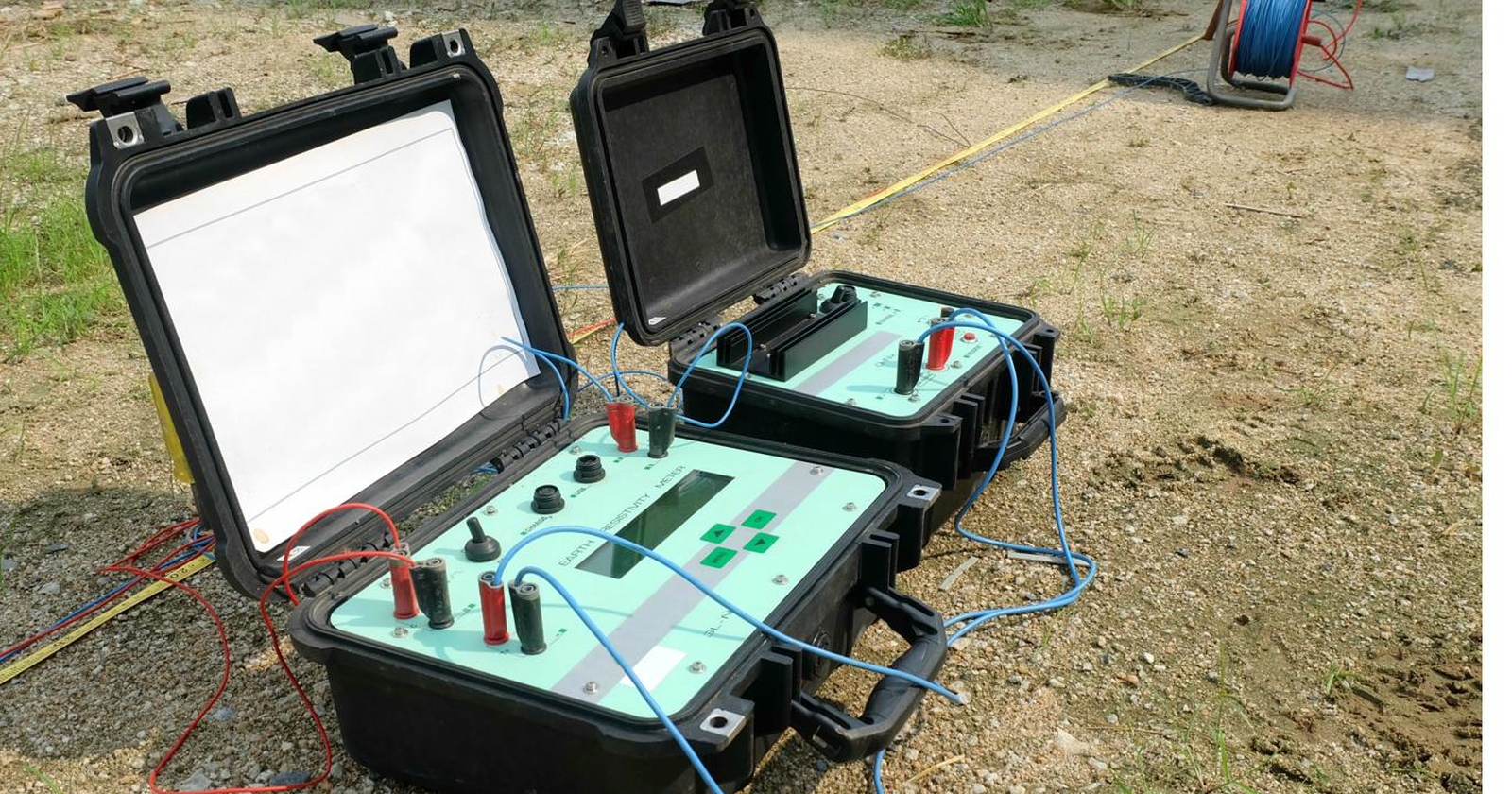
What Earthing Testing Actually Measures (and What a Passing Number Doesn't Tell You)
A passing earthing test is a snapshot of one day, in one set of conditions, at the points you tested. What fall-of-potential and soil resistivity really measure under IEEE 81, and what they leave out.

Lightning, Flammable Atmospheres, and the Cost of Getting Earthing Wrong
In a hazardous area, a lightning strike does not have to start a fire to cause one. Why oil and gas bonding has to meet a far lower resistance than static dissipation, and where the ignition risks hide.
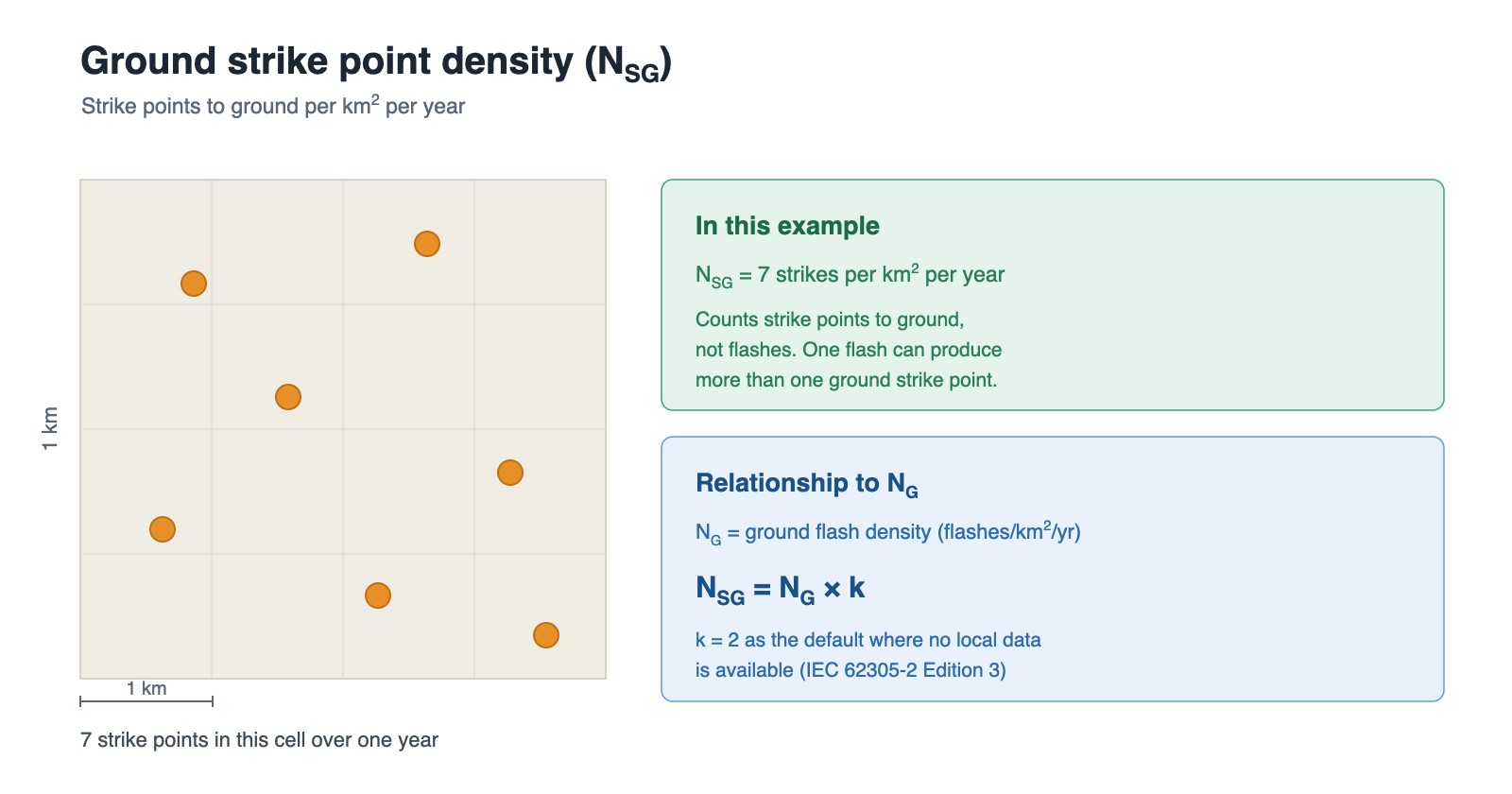
Ground Strike-Point Density: The Quiet Change That Shifts Your Risk Numbers
Why the switch from flash density (NG) to ground strike-point density (NSG) in IEC 62305-2:2024 can roughly double your dangerous-event count, and why your lightning data source now decides the result.
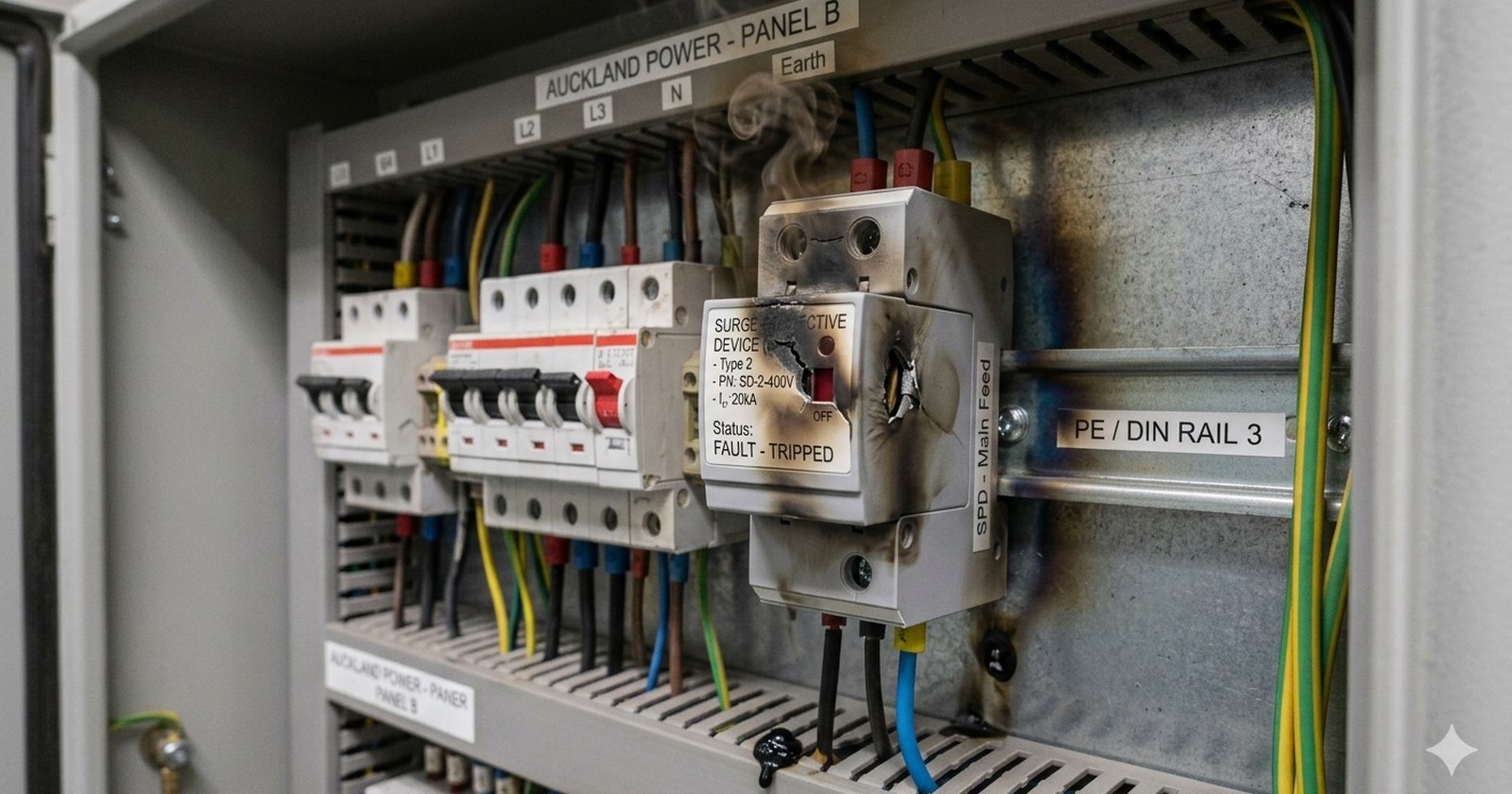
The Five-Year Problem: How Compliant Protection Systems Quietly Degrade
Compliant on day one does not mean protected on day 1,800. How lightning protection systems degrade silently, and why ongoing verification matters.

Why Data Centre Uptime Depends on Earthing You Can't See
Equipotential bonding, signal reference grids, and coordinated surge protection: the invisible foundation of data centre availability.

Mesh vs Conventional Rod Air Termination: How the Choice Gets Made
How lightning protection engineers choose between mesh systems and conventional rods: the rolling sphere method, mesh sizing, and why the lightning protection level drives every decision under IEC 62305-3.

What Changed in IEC 62305-2:2024, and Why It Matters for Your Facility
The third edition reshapes how lightning risk is assessed: a single combined risk, NSG ground strike-point density, internal-system damage frequency, and thunderstorm warning systems. Here is what changed and why it matters.